
THE IGNITE PRESS BLOG

How One Book Opened Doors a Decade of Networking Couldn't
Ten years of networking will build a solid list of contacts. It rarely builds the kind of opportunity that shows up uninvited: a speaking invitation from someone who never returns emails, a prospective client who already trusts you before the first call happens. That kind of opening rarely comes from one more handshake or one more LinkedIn message. It comes from something a network can't replicate on its own: a finished book already in a stranger's hands before they've ever met you.
We see this play out again and again with the entrepreneurs and executives we publish. A consultant spends a decade in the right rooms: industry conferences, panel invitations, sponsored tables, a steady stream of outreach and follow-up. It's solid work, and it produces a respectable network. What it rarely produces, no matter how long you keep at it, is the kind of opportunity that shows up unprompted. Speaking invitations stay the kind you have to ask for. Referrals stay one or two degrees removed from the work you actually want to be doing.
Then the same person publishes a book, and something networking never quite managed happens almost immediately. People who were never part of the network start showing up anyway. A stranger reads the first chapter before ever introducing themselves and walks into the conversation already feeling like they know the writer. That isn't luck. It's what a finished book does that a decade of relationship-building can't.
The Networking Ceiling
Networking has a structural limit nobody talks about: it scales one relationship at a time. Every introduction, every coffee meeting, every cold follow-up requires your personal presence and your personal time. You can only be in one room, one inbox, one conversation at a time, and so can every relationship you're trying to build.
A book doesn't have that limit. It can sit in front of a committee searching for a keynote speaker, a buyer doing diligence before a sales call, or a journalist looking for someone who's actually written the book on a subject rather than just spoken about it from a panel seat, all without you in the room.
Credibility That Works While You're Not in the Room
A handshake is convincing for as long as you're standing there to back it up. A book keeps making the case after you've left the room, or before you've ever entered it.
That's the real shift a published book creates. Conversations that used to start with "let me tell you what I do" start instead with "I read your book." The book has already done the work of establishing expertise, trust, and a point of view, so every real conversation that follows starts several steps further down the road than networking alone could ever get it.
"A book keeps making the case after you've left the room, or before you've ever entered it."
What Changes After Launch
In the months after a launch, the shift tends to look similar across authors. Inbound speaking inquiries start replacing outbound pitches. Prospective clients arrive already convinced instead of needing to be convinced. Invitations start coming from people who were never part of the original network at all. None of it requires one more cold email. It requires something networking alone can't produce: proof, already in hand, that doesn't need you there to make the case.
The Real Lesson
A book doesn't replace the relationships you've spent years building. It compounds them. Every conversation a published author has now starts from higher ground, not because the network changed, but because a stranger can finally arrive already convinced.
That's not a marketing tactic. That's authority, and once you have it, doors that took a decade of pushing tend to open on their own.
If you've spent years building relationships one introduction at a time and you're ready to multiply that work instead of just repeating it, schedule a book consultation with Everett O'Keefe.

BOOK YOUR CONSULTATION

TAKE ACTION TODAY
- Best Seller Campaigns!
- Titles and Subtitles!
- Cover Ideas and Options!
- Book Creation Strategies!
- And much more!
Schedule your book consultation now...
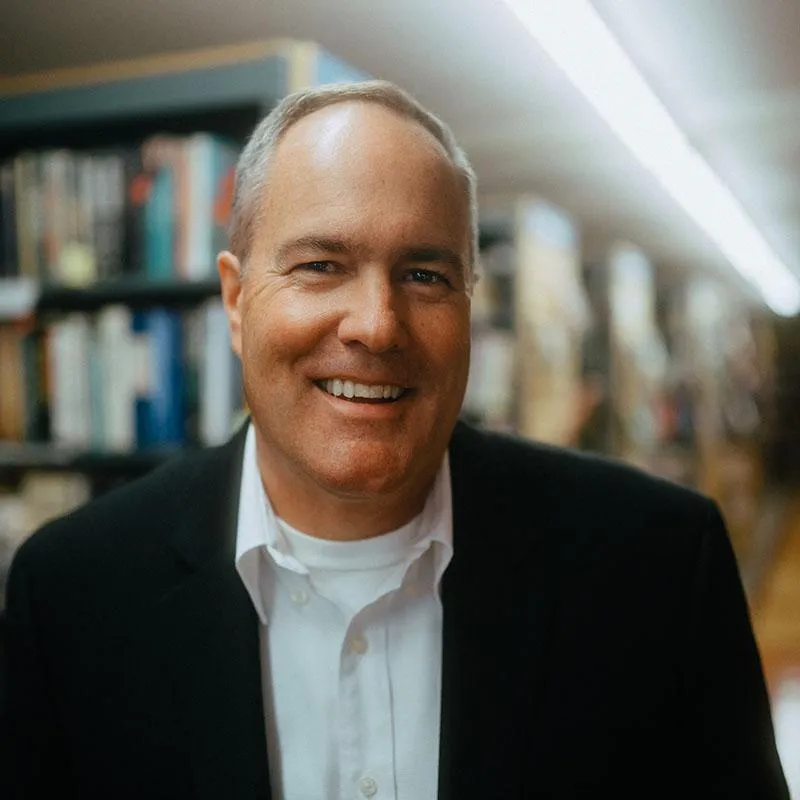
EVERETT O'KEEFE
IGNITE PRESS IS A PROUD MEMBER OF