How to Know When Your Manuscript Is Ready for a Professional Editor
Our friend Karen Dix over at Big Ideas Writing recently wrote a piece that hit home for a lot of us: Signs it's Time for a Professional Editor. It's such a helpful, honest look at the moment every writer eventually faces, the point where you have to hand your manuscript over to someone else, that we wanted to share it here on the Ignite Press blog.
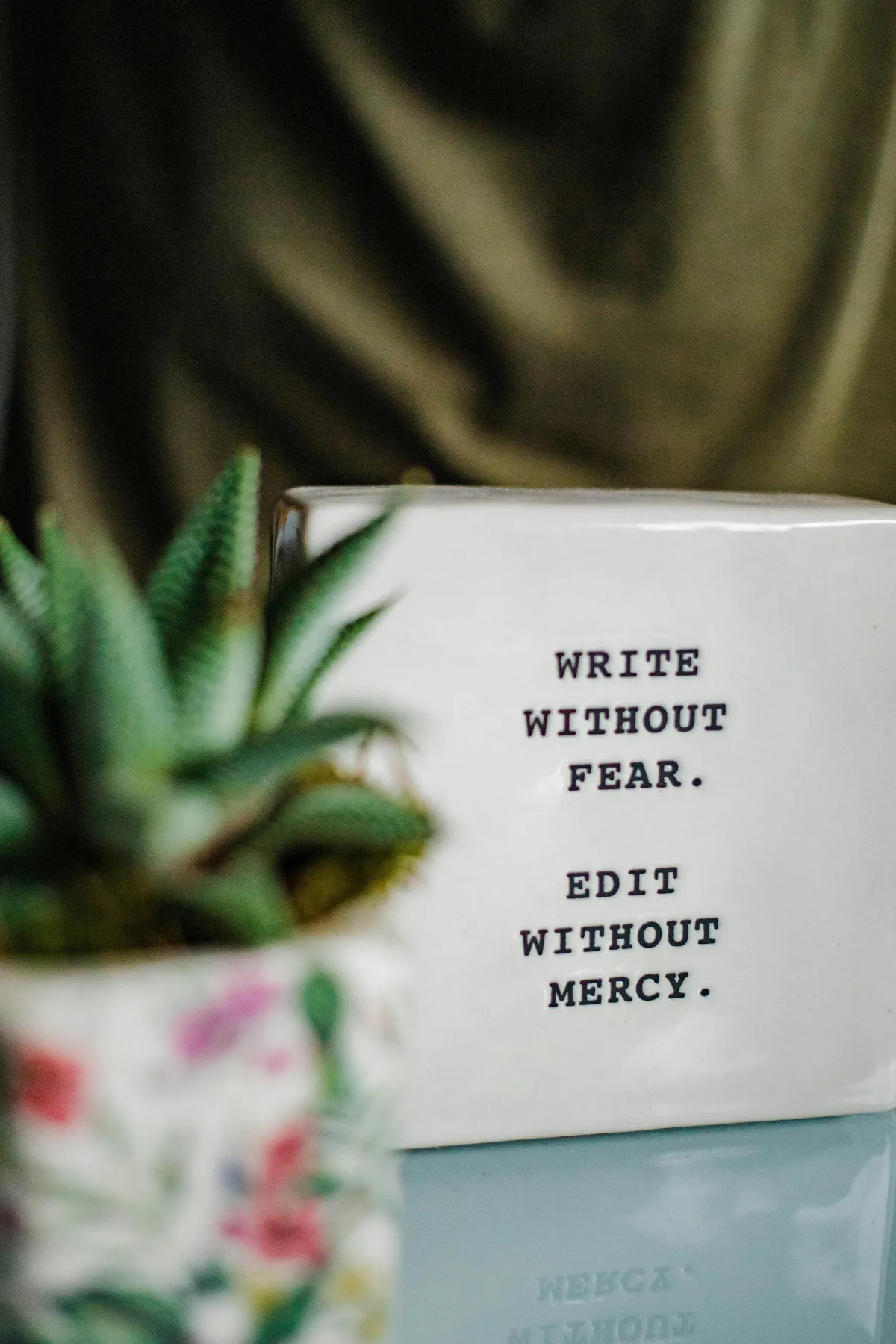
Finishing a manuscript is a strange kind of milestone. You've spent months, maybe years, turning an idea into pages. But finishing the draft isn't the same as finishing the book. The real question is knowing when your work is ready for a professional editor, and that answer isn't always as obvious as it seems.
Not All Editors Do the Same Job
One of the most useful things Karen points out is that "editor" isn't one job. There are developmental editors who look at the big picture, structure, and argument. There are line editors who work sentence by sentence for tone and clarity. Copy editors check accuracy and consistency against a style guide. And proofreaders make the final pass before anything goes to print.
Many manuscripts, especially in nonfiction, benefit from a substantive edit, a hybrid approach that blends developmental, line, and copy editing into one process. Knowing which type of editor you actually need can save you time, money, and a lot of frustration.
The Objective Signs
Some signs that you're ready for a professional editor are practical and easy to check:
Your manuscript is genuinely complete.
You've gotten feedback from trusted readers or peers, and the response has been positive.
Your word count fits the norms of your genre.
You feel confident about the structure and flow of your story or argument.
Your own edits have started to feel cosmetic rather than meaningful.
That last point is worth sitting with. When you find yourself swapping one word for another without actually improving the reader's experience, it's usually a sign you've taken the manuscript as far as you can on your own.
The Emotional Signs
The harder signs to recognize are emotional, not objective. Are you genuinely open to feedback, or are you hoping for a rubber stamp? Are you willing to revise, even when the notes sting a little? And if you're struggling to finish the book at all, that's often less about polish and more about needing a developmental editor to help you find your way through the outline.
Why This Matters
A manuscript is personal. Handing it to someone else for honest, professional feedback takes a kind of courage that's easy to underestimate. But that step is often what separates a good manuscript from a published book people actually want to read.
If you're sitting with a finished draft and wondering whether it's time, Karen's full article is worth the read. It walks through both the practical checklist and the emotional readiness that come with this stage of the writing process.
You can check out her blog post here: https://www.bigideaswriting.com/signs-its-time-for-a-professional-editor/